
Choosing the right amount of travel data
One of the most common questions travellers ask before buying an eSIM is how much mobile data they will realistically need during their trip.
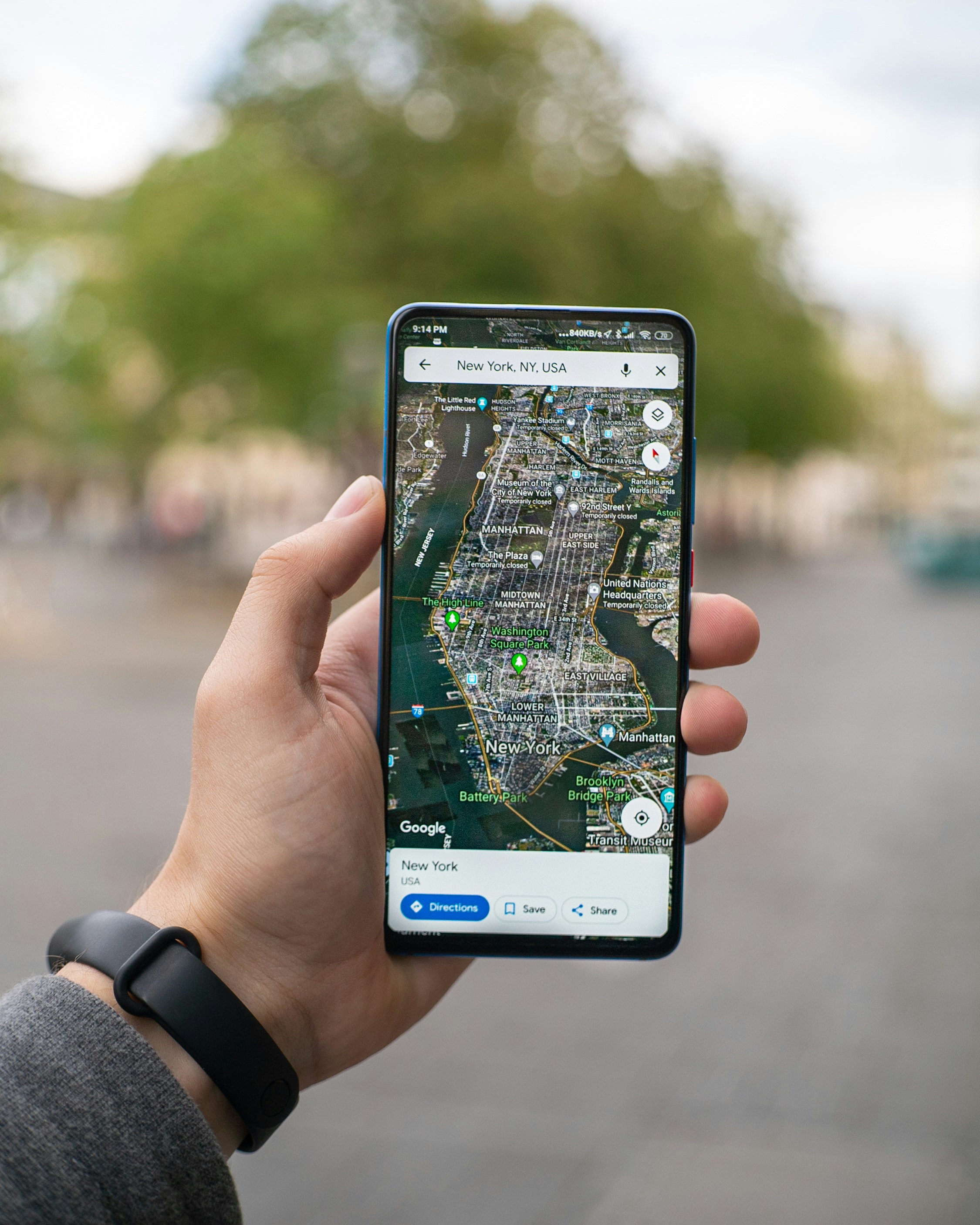
The answer depends less on the destination itself and more on how you use your phone while travelling. Someone using Google Maps, messaging apps and occasional social media throughout a weekend city break will have very different usage patterns from a traveller working remotely abroad for several weeks.
The good news is that modern travel eSIMs are available in a wide range of sizes, from smaller short stay packages to larger plans designed for long trips, streaming and hotspot use.
What uses the most mobile data while travelling?
Many everyday travel apps are actually fairly efficient. Messaging through WhatsApp or iMessage uses very little data, and navigation apps such as Google Maps are generally lighter than people assume.
Where usage starts increasing quickly is with video content and tethering. Streaming platforms, video calls, cloud backups and hotspot sharing can consume large amounts of data in a short period of time, especially across longer trips.
Social media usage also plays a major role. Modern apps increasingly prioritise video based content, which means scrolling through Instagram Reels or TikTok for half an hour can use far more data than travellers expect.
Travel data for lighter usage
Travellers who mainly use their phone for navigation, messaging, email and occasional browsing often need less data than they initially assume.
For shorter holidays or city breaks where hotel and café Wi Fi are regularly available, smaller plans can comfortably cover day to day usage. This type of traveller is typically using mobile data intermittently throughout the day rather than constantly streaming or tethering devices.
Lighter usage is often ideal for:
- Weekend trips
- Short European breaks
- Travellers mostly connected to Wi Fi
- Navigation, messaging and restaurant searches
Everyday travel usage
Most travellers fall somewhere in the middle.
This usually includes regular map usage, browsing social media throughout the day, uploading occasional photos, checking transport information and watching short videos while travelling between locations.
For standard holidays, this level of usage is often more representative of how people actually use their phones abroad. Travellers in this category tend to benefit from medium sized plans that provide flexibility without needing to constantly monitor usage.
Heavy usage and unlimited plans
Unlimited travel eSIMs are generally most useful for travellers who expect to rely heavily on mobile data throughout their trip.
This can include remote workers, content creators, hotspot users or travellers regularly streaming video while moving between cities and airports.
For these travellers, larger plans or unlimited options provide convenience and flexibility, particularly when using laptops or tablets through tethering.
It is also worth understanding that some unlimited travel plans may include fair usage policies. Depending on the provider, speeds can occasionally reduce temporarily after particularly high daily usage. This varies between providers and destinations, which is why checking the plan details before travelling is always recommended.
How trip length changes your data needs
Trip duration is one of the biggest factors people overlook when choosing a travel eSIM.
A traveller spending three days abroad may comfortably use less data than someone taking a slower paced three week trip with regular navigation, restaurant searches, messaging and social media use every day.
Data usage also tends to increase naturally over time as travellers become more confident using mobile data instead of constantly searching for Wi Fi networks.
Ways to reduce mobile data usage abroad
There are several easy ways to make travel data last longer without changing how you use your phone too dramatically.
- Download offline maps before departure
- Use hotel Wi Fi for app updates and backups
- Reduce streaming quality on mobile data
- Disable automatic cloud photo uploads
- Download entertainment before flights and train journeys
Even small adjustments can significantly reduce overall data usage during longer trips.
Finding the right balance
The best travel eSIM is not always the biggest or most expensive plan available. In most cases, the ideal option is simply the one that matches how you actually travel.
Some travellers prioritise flexibility and peace of mind with larger packages or unlimited plans, while others prefer smaller plans for shorter trips where Wi Fi is widely available.
Understanding how you typically use your phone abroad makes it much easier to choose the right eSIM before your trip begins.
.jpg)
.jpg)